Specialist spine care
Expertise in complex spinal health.
Frank J. Schwab, M.D., is an internationally recognized expert in complex spine surgery, with particular expertise in revision spine surgery, adult scoliosis, flatback syndrome, failed spinal fusion, and other complex spinal deformities. Based on the Upper East Side of Manhattan at Lenox Hill Hospital in New York City, Dr. Schwab helps patients from around the world understand their condition, explore personalized treatment options, and make informed decisions about their spine care with confidence.
Get informed. Understand your condition. Decide with confidence.
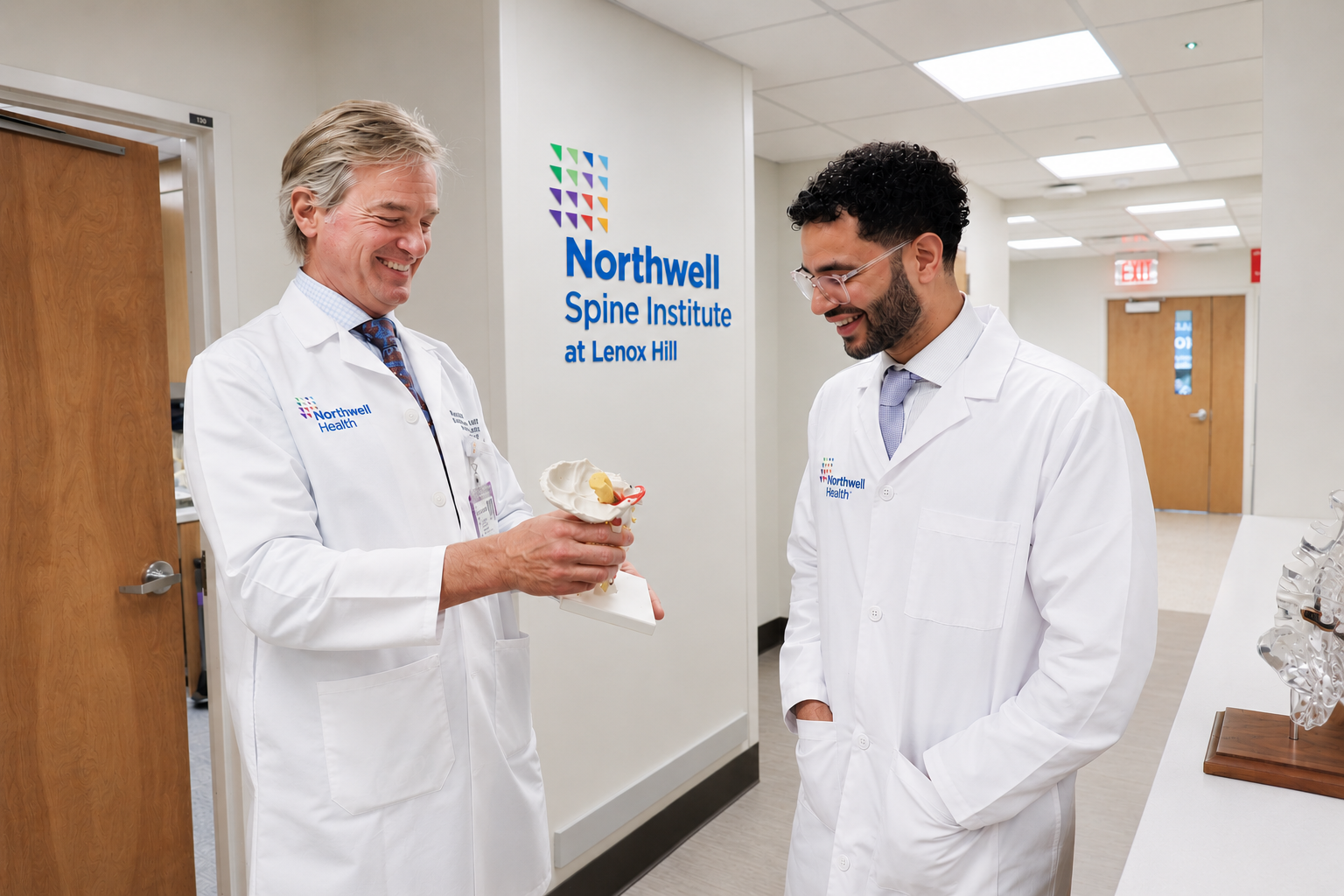
How to move forward
Three steps to confident care
Get informed
Learn how we evaluate, plan, and deliver personalized spine care.
Understand your condition
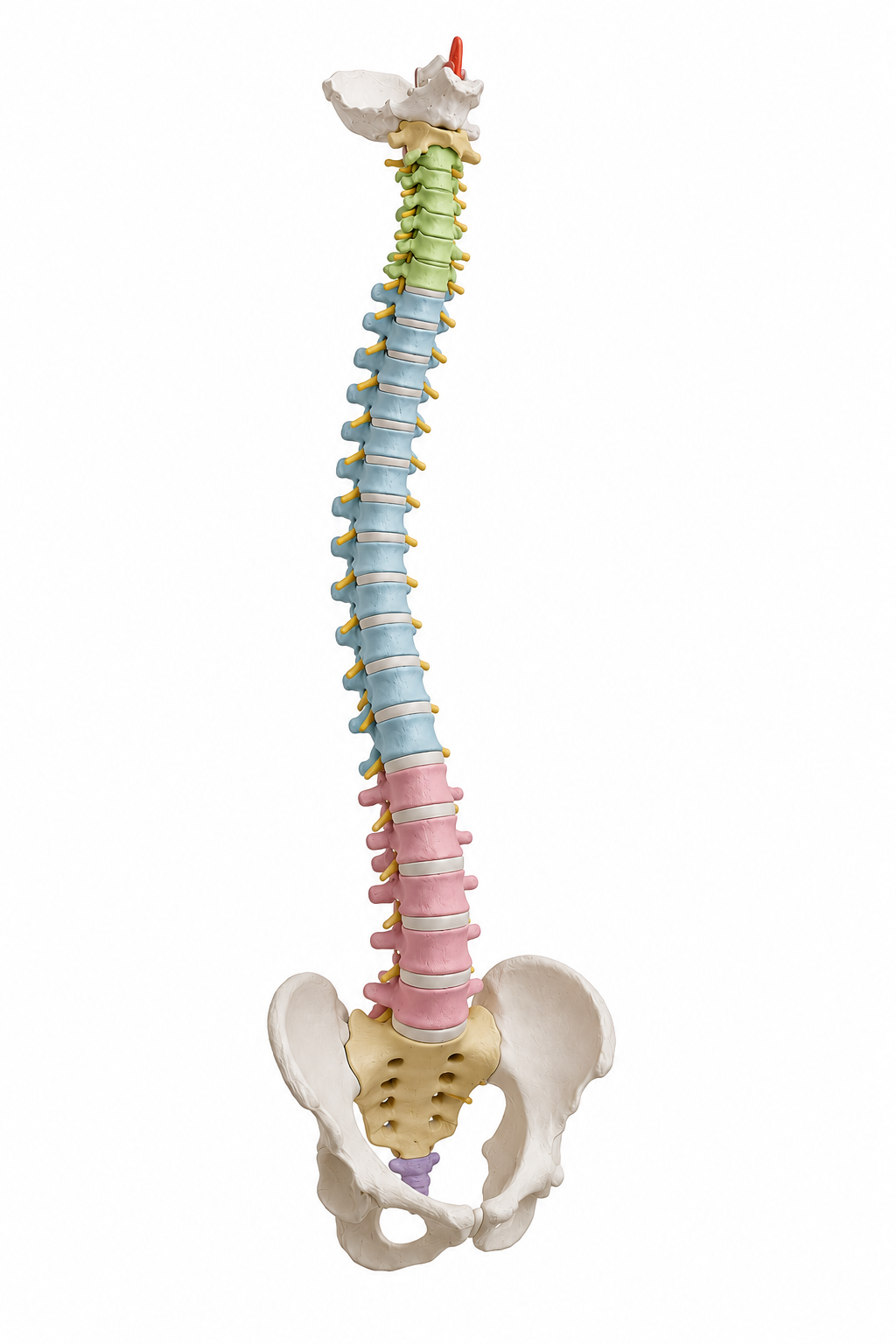
Explore about your condition and how spine anatomy relates to your symptoms.
About the specialist
Frank J Schwab, MD
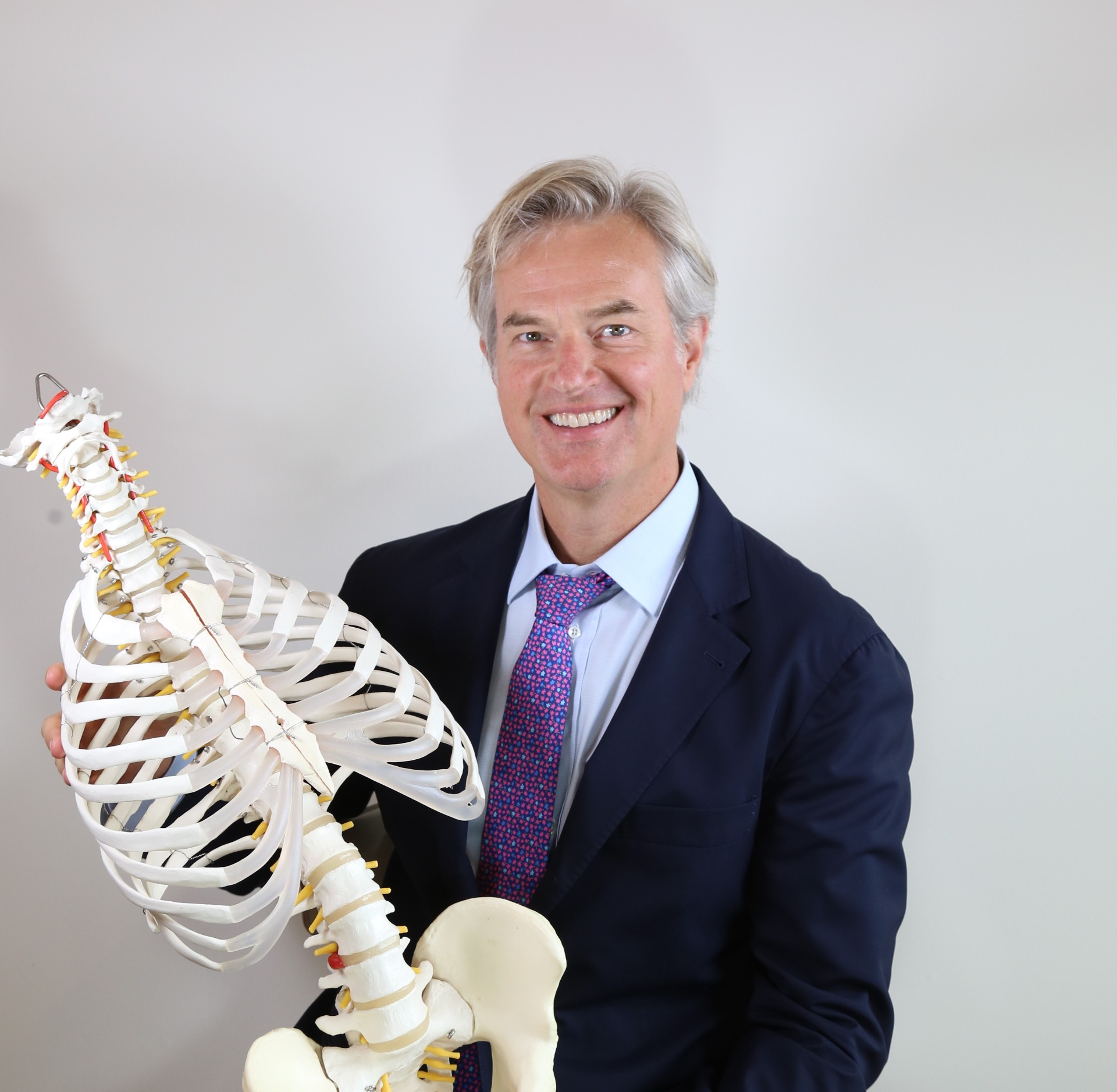
Frank J. Schwab, MD, FAAOS is an internationally renowned spine surgeon whose clinical practice, research, and teaching are focused on complex spinal pathology, adult spinal deformity, and revision reconstruction procedures. Dr. Schwab is widely recognized as a leader in the field and has pioneered many aspects of spinal deformity care, particularly for patients with extensive surgical histories. Together with his team, he developed the first definitive classification of adult spinal deformity, now a clinical standard used by spine surgeons worldwide. His clinical focus centers on patient-specific operative treatment, optimizing sagittal realignment, and the use of advanced pre-operative planning technologies for complex spine surgery. He remains committed to education and research, training students, residents, and fellow surgeons while maintaining an absolute focus on delivering the best possible care to each patient.
Over the course of his career, Dr. Schwab has received multiple grants, published more than 600 articles, and given more than 400 presentations at scientific conferences. He remains committed to the education of students, researchers, residents, and fellow surgeons, with an absolute focus on providing the very best care to patients.
Core focus of the practice
- Adult Spinal Deformity
- Complex Spine Surgery
- Revision & Reconstruction Surgery
- Sagittal Balance & Alignment
- Patient-Specific Surgical Planning
Education+
Education
Columbia University College of Physicians & Surgeons
Residency
Columbia University Medical Center — Orthopedic Surgery
Fellowships
- Maimonides Medical Center
- Advanced Spine Surgery under Dr. Jean-Pierre Farcy
- National Science Foundation Post-Doctoral Research Fellowship, Paris, France
Board Certifications
- American Board of Orthopaedic Surgery
- Fellow, American Academy of Orthopaedic Surgeons (FAAOS)
Administrative Titles
- Chair, Orthopaedic Surgery — Lenox Hill Hospital
- System Chief, Orthopaedic Spine Surgery — Northwell Health
- Vice President, Orthopaedic Surgery, Western Region — Northwell Health
Academic Title
Professor, Donald and Barbara Zucker School of Medicine at Hofstra/Northwell
Languages
English · French · German
Professional affiliations+
Dr. Schwab currently serves as Vice President and a member of the Executive Committee of the International Spine Study Group Foundation (ISSG Foundation). He is also a Board Member of the Spine Deformity Education Foundation and an active member of the American Academy of Orthopaedic Surgeons (AAOS) and the North American Spine Society (NASS). He is a former Board Member of the Scoliosis Research Society (SRS), where he received multiple awards for his contributions to spine deformity research and served on several leadership committees.
Hospital Affiliations+
Northwell Spine Institute at Lenox Hill
1219 3rd Avenue
New York, NY 10021
(212) 434-4160
Lenox Hill Hospital
100 E 77th Street
New York, NY 10075
Conditions
Understand your condition
Clear, straightforward explanations help you connect your diagnosis, symptoms, and treatment options.
Adult Scoliosis
A sideways curve of the spine affecting people at every stage of life, and very treatable with the right specialist.
AAOS — Introduction to ScoliosisSRS — Scoliosis
+Read more
Overview
Scoliosis is a sideways curve of the spine measuring greater than 10 degrees. On an X-ray, a spine with scoliosis looks more like an "S" or a "C" rather than a straight line. It can develop at any age, most commonly in adolescents during growth spurts (idiopathic scoliosis), or in adults as the spine's discs and joints wear down over time (degenerative scoliosis).
What patients commonly experience
- Uneven shoulders, waist, or hips when standing
- A visible curve or lean to one side
- One shoulder blade appearing more prominent than the other
- Back or leg pain, numbness, or tingling
- A gradual sense that your posture has changed over time
Procedures used for this condition
Scoliosis Correction · Spinal Fusion · Spinal Osteotomy · TLIF
Adult Spinal Deformity
When the spine loses its natural alignment affecting posture, balance, and the ability to move through daily life with ease.
+Read more
Overview
Adult spinal deformity refers to any significant loss of normal spinal alignment in adulthood, affecting the spine's side-to-side balance (coronal plane) or its front-to-back balance (sagittal plane), or both together. It takes two main forms: a curve from adolescence that was mild enough to leave untreated but has continued to progress with age, or a new curve developing in adulthood as the spine's discs and joints degenerate unevenly over time.
The spine's natural curves are designed to keep the head balanced over the pelvis with minimal muscular effort. When this balance is disrupted, the body compensates constantly and that compensation is the source of much of the pain, fatigue, and loss of function these patients experience. Restoring sagittal balance is the central goal of surgical treatment, and the most reliable predictor of whether a patient will feel better after surgery.
Dr. Schwab developed the internationally adopted classification system that defines how adult spinal deformity is assessed and planned for — the framework spine surgeons worldwide use today. Evaluation at this practice includes standing full-body EOS imaging, which allows precise measurement of spinal alignment and pelvic parameters with significantly lower radiation than standard X-rays.
What patients commonly experience
- Low back pain that is more severe and persistent than typical back pain — often caused by disc degeneration, instability, or nerve compression
- Leg and buttock pain or cramping when walking — which may not improve with rest the way typical leg pain does
- Radiating pain, numbness, or weakness in one or both legs from nerve compression on the inside of the curve
- Difficulty standing upright or a persistent sense of leaning forward
- Fatigue from the body's constant effort to compensate for being off balance
- Progressive worsening over months or years — symptoms that don't resolve on their own
Procedures used for this condition
Spinal Osteotomy · Spinal Fusion · TLIF · Scoliosis Correction · Revision Surgery
Flatback Spine
When the spine loses its forward curve making it feel impossible to stand upright without pain and exhaustion.
SRS — Fixed Sagittal Imbalance
+Read more
Overview
Flatback spine occurs when the lower spine's natural inward curve (lumbar lordosis) is reduced or lost, shifting the body's center of gravity forward. Patients describe a constant feeling of leaning forward or being "bent over," with great difficulty standing erect without bending the hips and knees. It most commonly develops after spinal fusion surgery where lumbar lordosis was not adequately preserved.
What patients commonly experience
- A persistent forward-leaning posture that cannot be voluntarily corrected
- Pain and fatigue in the lower back, thighs, and buttocks — from muscles under constant strain
- Stumbling while walking or difficulty on uneven ground
- Symptoms that worsen progressively over the course of the day
- Relief only when sitting or bending the knees
Procedures used for this condition
Spinal Osteotomy · Revision Surgery · Spinal Fusion
If you developed flatback syndrome after a previous spine surgery, you are not without options. Expert surgical correction can restore your ability to stand upright and walk without pain.
Kyphosis
Kyphosis is a forward bending of the spine which produces a roundback curvature.
SRS — Kyphosis·AAOS — Kyphosis (Roundback) of the Spine
+Read more
Overview
The thoracic spine naturally has a gentle outward curve. When this curve exceeds approximately 45–50 degrees it is classified as hyperkyphosis, sometimes called "roundback" or, in severe cases, "hunchback." Kyphosis is either postural (flexible, corrects with upright posture) or structural (rigid, caused by abnormal vertebral shape from Scheuermann's disease, osteoporosis, trauma, or prior surgery).
What patients commonly experience
- Visible rounding or humping of the upper back
- Back pain, especially when the curve apex is in the mid-to-lower back
- Stiffness and reduced range of motion
- Fatigue from holding the head and shoulders upright
- In severe cases: difficulty breathing or neurological symptoms
Procedures used for this condition
Spinal Fusion · Spinal Osteotomy · Scoliosis Correction
Failed Back Surgery
Persistent pain or ongoing symptoms after spine surgery do not necessarily mean treatment options have been exhausted. Careful evaluation can help identify the underlying cause and determine whether additional treatment may be beneficial.
+Read more
Overview
Some patients continue to experience back pain, leg pain, numbness, weakness, or difficulty standing and walking despite having undergone previous spine surgery. In other cases, symptoms may improve initially and then return months or years later. Potential causes include incomplete nerve decompression, recurrent stenosis or disc herniation, hardware-related issues, nonunion (failure of the bones to heal together), adjacent segment degeneration, or spinal imbalance. A thorough review of prior imaging, surgical history, and current symptoms is essential to identify the source of the problem and develop an appropriate treatment plan.
What patients commonly experience
- Persistent back or leg pain following spine surgery
- Symptoms that never fully improved after a prior procedure
- Pain, numbness, tingling, or weakness that returns months or years later
- Difficulty standing upright or maintaining balance
- Worsening posture or a forward-stooped position
- Concerns about existing spinal hardware or prior fusion surgery
Procedures used for this condition
Spinal Decompression · Spinal Fusion · Spinal Osteotomy · TLIF
Spondylolisthesis
When one vertebra slips forward over the one below it, causing instability, back pain, and often nerve symptoms.
+Read more
Overview
Spondylolisthesis occurs when one vertebra slips forward relative to the vertebra directly below it. This slippage can range from mild to severe and can occur at any level of the spine, though it most commonly affects the lower lumbar spine (L4–L5 or L5–S1). The condition has several causes: in younger patients it is often related to a stress fracture in the bony arch of the vertebra (isthmic spondylolisthesis), while in older adults it typically results from degenerative changes like arthritis and disc degeneration that allow one vertebra to gradually slide forward (degenerative spondylolisthesis). When the slippage is significant, it can narrow the spinal canal and compress nerve roots.
What patients commonly experience
- Lower back pain — often a deep, aching pain that may radiate into the buttocks
- Leg pain, numbness, or tingling when nerve roots are compressed
- A feeling of instability or weakness in the lower back
- Pain that worsens with prolonged standing, walking, or bending backward
- In severe cases: difficulty walking, bowel or bladder changes — which require urgent evaluation
Procedures used for this condition
Spinal Fusion · TLIF · ALIF · Spinal Decompression
Care pathways
Treatments
Non-operative care
Conservative treatments including physical therapy, medication management, injections, and lifestyle modifications designed to reduce symptoms and improve function without surgery.
Read more+
Non-operative treatment of spinal conditions
Most spinal conditions do not require surgery. The vast majority can be managed effectively with non-operative care and that is always the starting point. This section provides general information about non-operative approaches to pain and functional recovery from a spine-related problem.
Treatment of Pain+
Back pain is the third most common reason for visits to physicians' offices and affects up to 80% of adults at some time. The precise cause of low back pain is poorly understood, and only 10–20% of patients have their pain attributed to an accepted, definable diagnosis. In most cases, low back pain disappears with time; symptoms resolve within three months of onset in about 90% of patients.
True low back pain is located between the lower rib cage and the buttocks. It may occasionally extend to the knee, but not beyond. Numbness, tingling, or weakness in the legs may indicate irritation of neurologic structures. Leg pain extending to the feet is usually separate from back pain and may require a different treatment program.
Conservative treatment for back and leg pain varies according to the cause and severity. Common approaches include the following:
Medications — Pain Management+
Medications may be recommended to help manage back, neck, leg, or nerve-related pain as part of a comprehensive treatment plan. Depending on your condition, treatment may include anti-inflammatory medications to reduce swelling, pain relievers to improve comfort, muscle relaxants to ease spasms and tension, combination medications, or nerve-targeting therapies for chronic pain. In select cases, opioid medications may be used for severe pain under careful medical supervision.
Bracing+
There are a wide variety of collars, binders, belts, braces, and other devices designed to relieve neck and back pain. Their effectiveness has not been clearly proven in most cases, yet many patients feel some relief with these devices. Long-term use of back braces may gradually weaken supportive muscles through unloading and therefore may not be desirable.
Physical Therapy and Functional Restoration+
Physical therapy plays an important role in restoring strength, flexibility, and function while reducing pain. Treatment programs are designed to improve the muscles that support and stabilize the spine, which can become weakened by aging, injury, or underlying spinal conditions. Therapy may include pain-relief modalities, guided exercise, and targeted strengthening techniques to improve mobility, endurance, and overall spinal health while helping patients return to daily activities more comfortably.
Exercise+
Patients who benefit from physical therapy are often advised to maintain regular exercise over the long term. Even people with mild or intermittent back pain and no severe underlying problem can benefit. Studies have shown that regular aerobic activity reduces the chance of repeated back injuries. No one sport has a clear advantage, so it may be most important to choose an enjoyable activity that is easy to maintain, such as swimming, fast walking, or running.
Operative care
Surgical interventions for spinal conditions including decompression, fusion, deformity correction, and revision procedures when conservative measures are no longer sufficient.
Read more+
Revision Spine Surgery+
Revision spine surgery is performed when a previous spinal operation no longer provides the desired result or when new problems develop over time. This may involve correcting a failed fusion, treating adjacent segment disease, relieving persistent nerve compression, removing or revising spinal implants, or extending an earlier fusion.
Every revision procedure begins with understanding why the original surgery failed and developing a personalized plan to restore stability, relieve pain, and improve function. Because revision operations are often more technically demanding than first-time surgery, they require careful planning and experience with spinal reconstruction.
Complex revision spine surgery+
Complex revision spine surgery is reserved for patients whose spines have been altered by multiple previous operations or severe structural failure. These cases often involve extensive scar tissue, existing hardware, poor bone quality, spinal deformity, loss of spinal alignment, and ongoing neurological compression, all of which must be addressed during the same reconstruction.
Scoliosis Correction+
Surgical realignment of the spine to reduce an abnormal sideways curve. Involves placing screws and rods along the spine to gradually correct the curve, followed by bone grafting for permanent fusion in the corrected position.
Spinal Decompression+
A general term for any surgical procedure that relieves pressure on the spinal cord or nerve roots. Specific techniques include laminectomy, laminotomy, foraminotomy, and discectomy. Recommended when nerve pressure causes significant pain, weakness, or loss of function that has not responded to conservative care.
Spinal Fusion+
A procedure that permanently connects two or more vertebrae, eliminating motion between them. Achieved using bone graft - the patient's own bone, donor bone, or synthetic material - which grows into a solid bridge over time. Used to treat instability, deformity, fracture, and degenerative conditions across all regions of the spine.
Sagittal Realignment+
Restoring the spine's natural front-to-back alignment (sagittal balance) is one of the most important goals in adult spinal deformity surgery. When this alignment is lost, patients often struggle to stand upright, walk comfortably, or maintain their posture without significant effort. Chronic back pain, muscle fatigue, and progressive disability commonly result, and poor sagittal alignment is a frequent reason previous spine surgeries fail.
The surgical plan is designed around the patient's unique anatomy, spinal alignment, and functional goals.
Spinal Osteotomy+
A procedure in which a portion of vertebral bone is surgically cut or removed to allow realignment of the spine. The primary tool for correcting fixed spinal deformity including flatback syndrome, kyphosis, and sagittal imbalance. The two most common types in adult deformity are Smith-Petersen Osteotomy (SPO) and Pedicle Subtraction Osteotomy (PSO).
TLIF+
TLIF — Transforaminal Lumbar Interbody Fusion. A lumbar fusion performed from the back at a slightly angled approach through the neural foramen. Minimizes retraction of nerve roots and allows a larger interbody graft. Frequently used for degenerative disc disease, spondylolisthesis, and recurrent disc herniation.
Our team
Meet our office
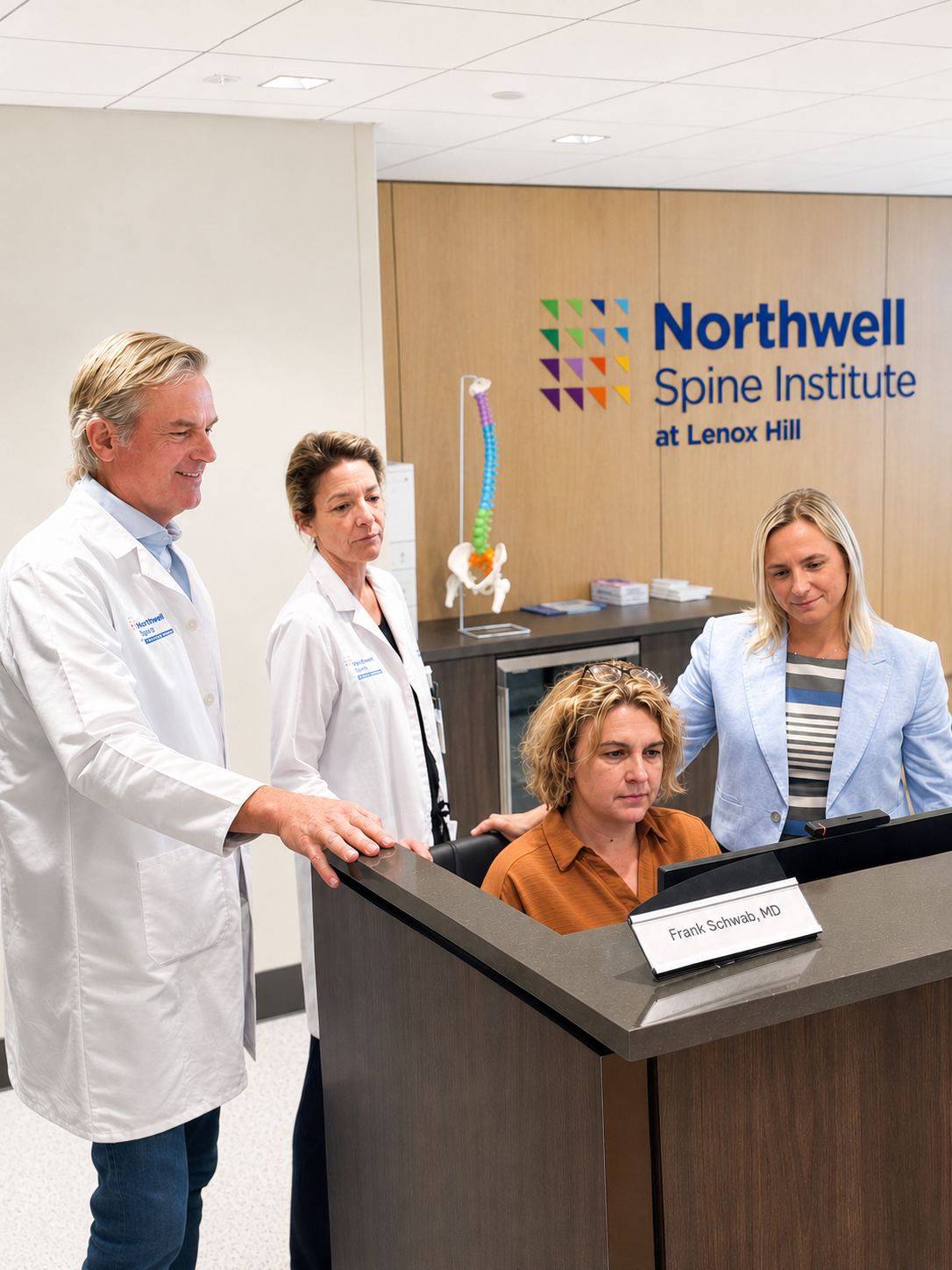
Frank Schwab · Debra Jacobs · Natalia Meszaros Gonzalez · Dorota Mejer
Debra M. Jacobs, RN, FNP-C
Family Nurse Practitioner
Debra completed her Family Nurse Practitioner degree at SUNY Stony Brook on Long Island. She has previously practiced as an RN in pediatrics and geriatrics. Along with Dr. Schwab, Debra carries out independent evaluations of patients with spinal problems, including assessment, diagnosis, and treatment. For surgical patients, Debra serves as a true patient advocate, educating the patient with regards to preparing for surgery and providing continued support throughout the post-operative period.
Dorota Mejer & Natalia Meszaros-Gonzalez
Office Managers
Dorota Mejer and Natalia Meszaros-Gonzalez bring more than 15 years of combined experience supporting patients and coordinating care within Dr. Frank J. Schwab's spine practice. They oversee scheduling, insurance authorizations, surgical coordination, medical records, and imaging, helping ensure a seamless patient experience from consultation through surgery and follow-up care. They also provide multilingual support to a diverse patient population. Dorota is fluent in Polish, while Natalia is fluent in Romanian, Hungarian, and Spanish.
Expert guidance for complex spinal care